Businesses across the United States face growing pressure to protect equipment, inventory, vehicles, and materials from unpredictable weather and rising operational costs. A well-designed shipping container roof system offers a practical way to expand covered space without constructing a permanent building. From logistics yards to agricultural operations, these structures help organizations improve storage capacity, reduce exposure to the elements, and maintain more efficient daily operations.
Why Businesses Need Covered Container Storage
Many organizations rely on outdoor storage because it offers flexibility and lower upfront costs. However, exposure to rain, snow, wind, sunlight, and temperature fluctuations can create long-term challenges.
Equipment deterioration, material damage, and reduced productivity often result from inadequate protection. Covered storage solutions provide a balance between accessibility and protection, helping businesses maintain operations throughout the year.
For industries that manage seasonal inventory or fluctuating workloads, container-supported structures offer a practical method for creating sheltered space without the complexity associated with traditional building projects.
Common Challenges with Open Storage Areas
Open storage environments can expose valuable assets to significant risks. In northern states, heavy snow loads can impact equipment and materials. In coastal regions, salt air and moisture accelerate corrosion. Southern states often experience intense heat and UV exposure that can shorten the lifespan of vehicles, machinery, and stored products.
Operational inefficiencies also become more apparent when employees must work around weather interruptions. Loading, unloading, maintenance activities, and inventory management can become more difficult during adverse conditions.
As businesses grow, these challenges often highlight the need for adaptable infrastructure that can be expanded or modified as operational demands change.
How Container-Based Shelter Systems Work
Container-supported shelter systems typically utilize shipping containers as structural foundations while spanning the area between them with engineered roof frameworks and fabric or metal coverings.
This design creates large clear-span areas that can accommodate equipment, vehicles, raw materials, and operational activities. Depending on the intended use, organizations may choose enclosed, semi-enclosed, or open-sided configurations.
The market includes a 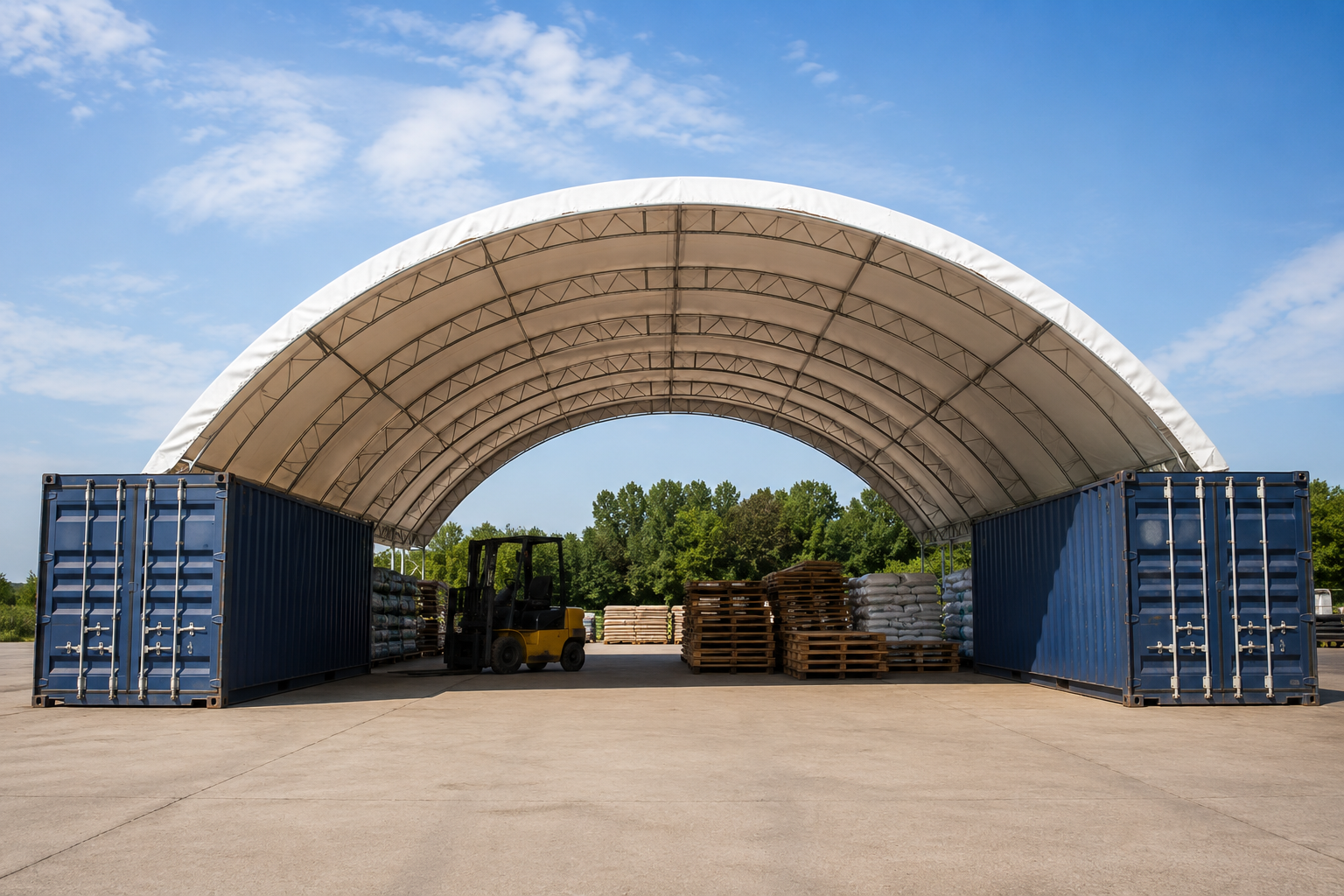 variety of solutions commonly described as a shipping container shelter, each designed to address different storage, protection, and workspace requirements.
The flexibility of these systems makes them suitable for both temporary and long-term applications.
Key Features That Improve Durability
Durability depends heavily on engineering, material selection, and environmental considerations.
Structural framing is typically designed to withstand regional wind and snow load requirements. High-quality cover materials are often treated for UV resistance, helping maintain performance despite prolonged sun exposure.
Proper drainage design is another important factor. Effective water management reduces the likelihood of standing water, material degradation, and unnecessary maintenance issues.
Ventilation should also be considered during planning. Adequate airflow can reduce condensation, improve worker comfort, and help protect stored products from moisture-related damage.
Routine inspections remain essential regardless of structure type. Monitoring tension systems, connection points, anchoring components, and cover conditions can significantly extend service life.
Industries That Benefit Most
Container-supported shelter systems serve a wide range of industries throughout the United States.
Construction companies frequently use them to protect machinery, tools, and building materials. Covered storage helps reduce weather-related delays while maintaining equipment readiness.
Agricultural operations benefit from sheltered areas for equipment, feed, harvested crops, and maintenance activities. Protecting assets from moisture and sunlight can improve longevity and reduce replacement costs.
Transportation and logistics facilities often require additional covered space for fleet maintenance, cargo staging, and temporary inventory storage. Flexible shelter systems allow operators to respond quickly to changing demand.
Manufacturing facilities may also utilize these structures to support overflow storage, material handling operations, or temporary production needs during expansion projects.
Factors to Consider Before Installation
Successful implementation begins with a thorough evaluation of operational requirements.
Site conditions should be carefully assessed, including ground stability, drainage characteristics, and accessibility. Understanding local weather patterns is equally important because environmental loads vary significantly across different regions of the country.
Businesses should also consider future growth plans. Selecting a system that can accommodate expansion may provide greater long-term value than designing solely for current needs.
Compliance with local building regulations and permitting requirements is another critical consideration. Working with qualified professionals helps ensure that structural and safety standards are met.
Safety planning should include traffic flow, emergency access, equipment clearance, and proper lighting. These considerations improve daily operations while reducing workplace risks.
Long-Term Cost and Operational Benefits
Organizations often evaluate storage solutions based on upfront investment alone. However, long-term operational performance is equally important.
Protected equipment generally requires less maintenance and experiences reduced weather-related wear. Inventory losses caused by environmental exposure may also decrease significantly when materials are stored under cover.
Additional operational efficiencies can emerge through improved workflow and reduced downtime. Employees can continue certain activities during weather events that might otherwise interrupt operations.
Over time, these benefits may contribute to stronger asset utilization and more predictable operating expenses.
Future Trends in Industrial Storage Solutions
Industrial storage strategies continue to evolve as businesses seek greater flexibility and resilience.
Demand is increasing for modular infrastructure that can adapt to changing operational requirements. Organizations increasingly prioritize solutions that can be installed efficiently, expanded when necessary, and relocated if site needs change.
Advances in engineered fabrics, structural design, and environmental performance are also improving the lifespan and reliability of modern shelter systems. Sustainability considerations are becoming more important as companies look for ways to maximize asset protection while minimizing resource consumption.
As industrial operations continue to modernize, the role of the shipping container roof concept will likely expand as part of broader strategies focused on efficiency, adaptability, and asset protection. Companies such as Sheltirx operate within this evolving sector, reflecting the growing interest in practical covered-storage solutions that support long-term operational success.